



CO₂-Neutral Charcoal Production: How Modern Carbonization Furnaces Are Changing the Industry
CO₂-Neutral Charcoal Production: How Modern Carbonization Furnaces Are Changing the Industry
If you’ve been in the charcoal production business for any length of time, you’ll know how dramatically the landscape has shifted. Stricter emissions regulations, rising fuel costs, growing customer demand for sustainable products, and increasing pressure on profit margins — these are challenges that traditional kilns and outdated carbonization systems simply weren’t built to handle.
The good news? A new generation of industrial carbonization furnaces has emerged that solves all of these problems simultaneously. In this article, we’ll break down exactly how CO₂-neutral charcoal production works, why it matters for your business, and what to look for when upgrading your production setup.
Why CO₂ Neutrality Is No Longer Optional for Charcoal Producers
The charcoal industry has historically carried a heavy environmental footprint. Traditional earth kilns and older brick ovens are notoriously inefficient: they release large volumes of smoke, CO₂, carbon monoxide, and volatile organic compounds into the atmosphere. In many countries, these emissions are now subject to strict regulatory limits — and enforcement is tightening.
But beyond compliance, there’s a commercial reality: buyers are increasingly asking about the carbon footprint of the charcoal they purchase. Whether you’re supplying to industrial customers, the BBQ market, or the growing biochar sector, being able to demonstrate CO₂-neutral or low-emission production is becoming a genuine competitive advantage.
The shift is already happening. Producers who invest in clean carbonization technology today are positioning themselves ahead of the curve — while those still relying on outdated methods face mounting compliance costs and reputational risk.
How Modern Carbonization Furnaces Achieve CO₂-Neutral Production
The key to understanding CO₂-neutral charcoal production lies in a process called closed-loop pyrolysis. Here’s how it works in practice:
1. Pyrolysis Under Controlled Conditions
When wood or biomass is heated in an oxygen-depleted environment, it doesn’t combust — it carbonises. This is the pyrolysis process. The organic material breaks down into solid charcoal (high in fixed carbon), water vapour, and a mix of combustible gases known as wood gas or syngas.
2. Gas Capture and Recirculation
In traditional kilns, these gases escape into the atmosphere as smoke — this is both wasteful and polluting. Modern carbonization furnaces capture these gases, purify them, and feed them back into the burner system as fuel. This closed-loop approach means that once the process is running, no external fuel source is needed. The furnace runs on its own by-products.
3. Complete Combustion Inside the Furnace
Any remaining gases that are not recirculated as fuel are fully combusted inside the furnace at high temperatures. This afterburning process eliminates harmful emissions: no smoke, no acid vapours, no unburned hydrocarbons are released into the environment. What comes out of the stack is essentially clean, hot air.
4. Energy Self-Sufficiency
Because the furnace generates its own fuel from the carbonisation process, energy consumption is dramatically reduced compared to older systems. After the initial startup — which requires a small gas or oil burner — the installation runs independently. This translates directly into lower operating costs and a smaller carbon footprint per tonne of charcoal produced.
The result is a production process where the CO₂ released during charcoal production is broadly offset by the CO₂ that would have been released anyway from the biological decomposition of the organic input material. Combined with the carbon sequestration properties of the charcoal itself (especially relevant for biochar applications), this makes modern carbonisation genuinely CO₂-neutra.
The Efficiency Advantage: What the Numbers Look Like
For producers used to working with traditional kilns or older retort systems, the efficiency gains from a modern carbonisation furnace are significant.
A well-engineered fourth-generation carbonisation furnace achieves a wood-to-charcoal conversion ratio of around 1:3.5 to 1:4(weight). By comparison, traditional earth kilns typically operate at ratios of 1:6 to 1:8 or worse.
In practical terms, this means:
- You need significantly less raw material to produce the same volume of charcoal
- Your input costs per tonne of output are lower
- Less waste wood or biomass is consumed per production cycle
- Your overall carbon efficiency improves substantially
Output Quality: Why It Matters More Than You Think
One of the underappreciated advantages of modern carbonisation technology is the consistency and quality of the charcoal produced.
Older production methods are highly variable: the charcoal from different batches often differs in moisture content, ash content, fixed carbon percentage, and particle size. This inconsistency creates problems downstream — whether you’re selling to industrial users who require tight specifications, or to retail BBQ markets where customers expect a reliable product.
Modern batch pyrolysis furnaces operate under controlled temperature and atmosphere conditions, which means every batch produces charcoal with consistent characteristics:
- High fixed carbon content (typically 80–90%+)
- Low ash content
- Consistent moisture level
- Uniform carbonisation throughout the material
For producers supplying to industrial customers — metallurgical applications, activated carbon production, or large-scale biochar projects — this consistency is not just a nice-to-have. It’s often a contractual requirement.
Operational Considerations When Upgrading Your Production Setup
If you’re currently operating older carbonisation equipment and considering an upgrade, there are a few key operational factors to evaluate:
Installation and Footprint
Unlike older retort systems that require permanent concrete foundations and significant civil engineering work, modern carbonisation furnaces are designed to be mobile and relocatable. The complete installation can typically be set up on any flat, solid surface in 2–3 days. This flexibility means you can position the furnace close to your raw material supply — reducing handling and transport costs.
Operator Training
Modern furnaces are engineered for simplicity of operation. The control systems are straightforward, and most suppliers provide on-site training as part of the installation package. Existing operators can typically be fully trained within the installation period.
Maintenance Requirements
A key advantage of well-built carbonisation furnaces is low maintenance. With minimal moving parts and high-quality refractory materials used throughout, wear is slow and predictable. Routine maintenance is straightforward and does not require specialist contractors — which keeps ongoing operational costs low.
Scalability
If your production volume grows, modern carbonisation systems are designed to scale. Additional furnace units can be added to an existing setup, sharing infrastructure and utilities. This modular approach means you don’t need to over-invest upfront — you can grow capacity in line with demand.
Biochar: The Growing Market Opportunity You Shouldn’t Ignore
Many charcoal producers are now looking at biochar as a high-value extension of their existing operations. Biochar — essentially charcoal produced specifically for agricultural or carbon sequestration applications — commands significantly higher prices than standard BBQ or industrial charcoal.
The good news is that modern carbonisation furnaces can produce biochar without any significant modification to the process. The same closed-loop pyrolysis technology that produces consistent, high-quality charcoal is equally well-suited to biochar production — provided the input material and process parameters are appropriate.
With the European biochar market growing rapidly and carbon credit schemes increasingly recognising biochar as a legitimate carbon removal method, this represents a real diversification opportunity for existing producers willing to invest in the right equipment.
What to Look for in a Modern Carbonisation Furnace Supplier
Not all carbonisation furnaces are created equal. When evaluating suppliers, there are several factors that separate genuine industrial-grade solutions from less capable alternatives:
- Proven track record: Look for suppliers with multiple reference installations and a long operational history in the industry
- Complete system supply: A supplier who provides the full system — not just components — and takes responsibility for the entire installation
- Emissions documentation: The ability to provide verified emissions test data, demonstrating compliance with environmental standards
- On-site installation and training: Professional commissioning and operator training included as standard
- Ongoing technical support: Access to technical expertise after the sale, not just during installation
- Refractory expertise: For high-temperature industrial equipment, the quality of the refractory lining is critical to long-term performance and low maintenance costs
Conclusion: The Case for Upgrading Is Clear
CO₂-neutral charcoal production is no longer a niche concept or a future ambition — it’s achievable today with proven technology. For existing charcoal producers, the business case for upgrading is straightforward:
- Lower operating costs through energy self-sufficiency
- Better raw material efficiency
- Consistent, high-quality output that meets industrial specifications
- Full compliance with current and future emissions regulations
- Access to growing premium markets including biochar
- A credible sustainability story for your customers and stakeholders
The technology has matured. The economics make sense. And the regulatory direction of travel is clear. The question for most producers is no longer whether to upgrade — it’s when, and with which partner.
About Movi Vuurvast
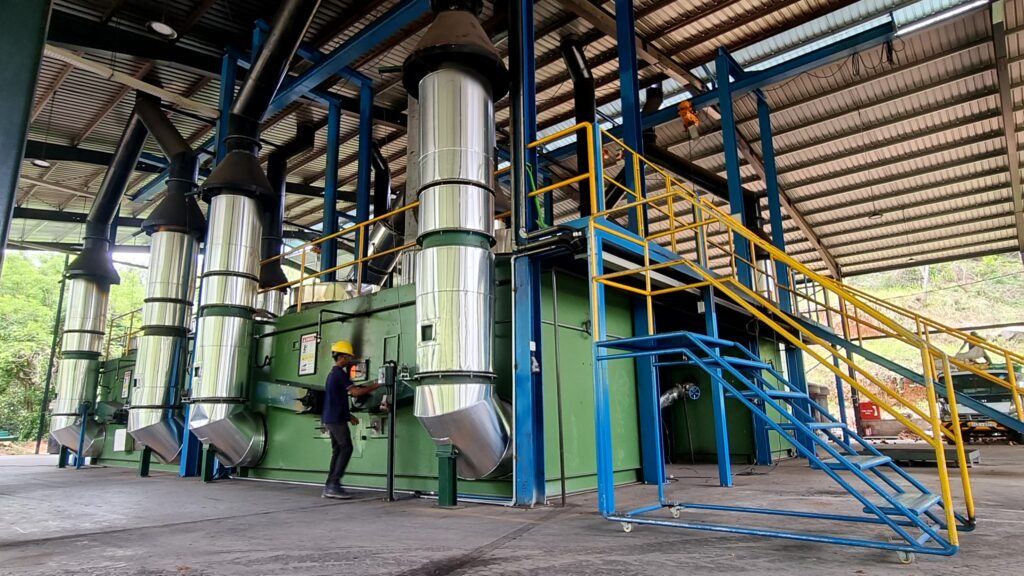
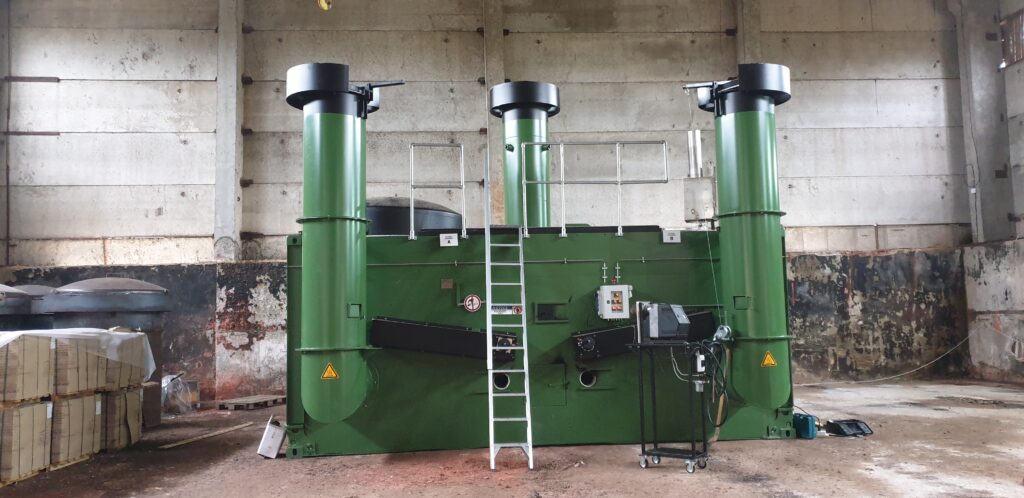
Movi Vuurvast has over 40 years of experience in high-temperature and refractory technology. Our Green Eco Furnace represents the fourth generation of carbonisation furnace development — built for industrial charcoal and biochar producers who demand efficiency, quality, and environmental performance. We supply complete systems, including installation, commissioning, and operator training, backed by decades of expertise.
Interested in upgrading your carbonisation setup? Contact us for expert advice or a tailored quotation.
Expert in refractory solutions
MOVI Vuurvast is a specialist in refractory materials and constructions for furnaces, stoves, and carbonization installations. Our expert team supports you with installation, sales, and custom solutions, ensuring your system operates safely, efficiently, and sustainably.
Discover today what we can do for you!
